

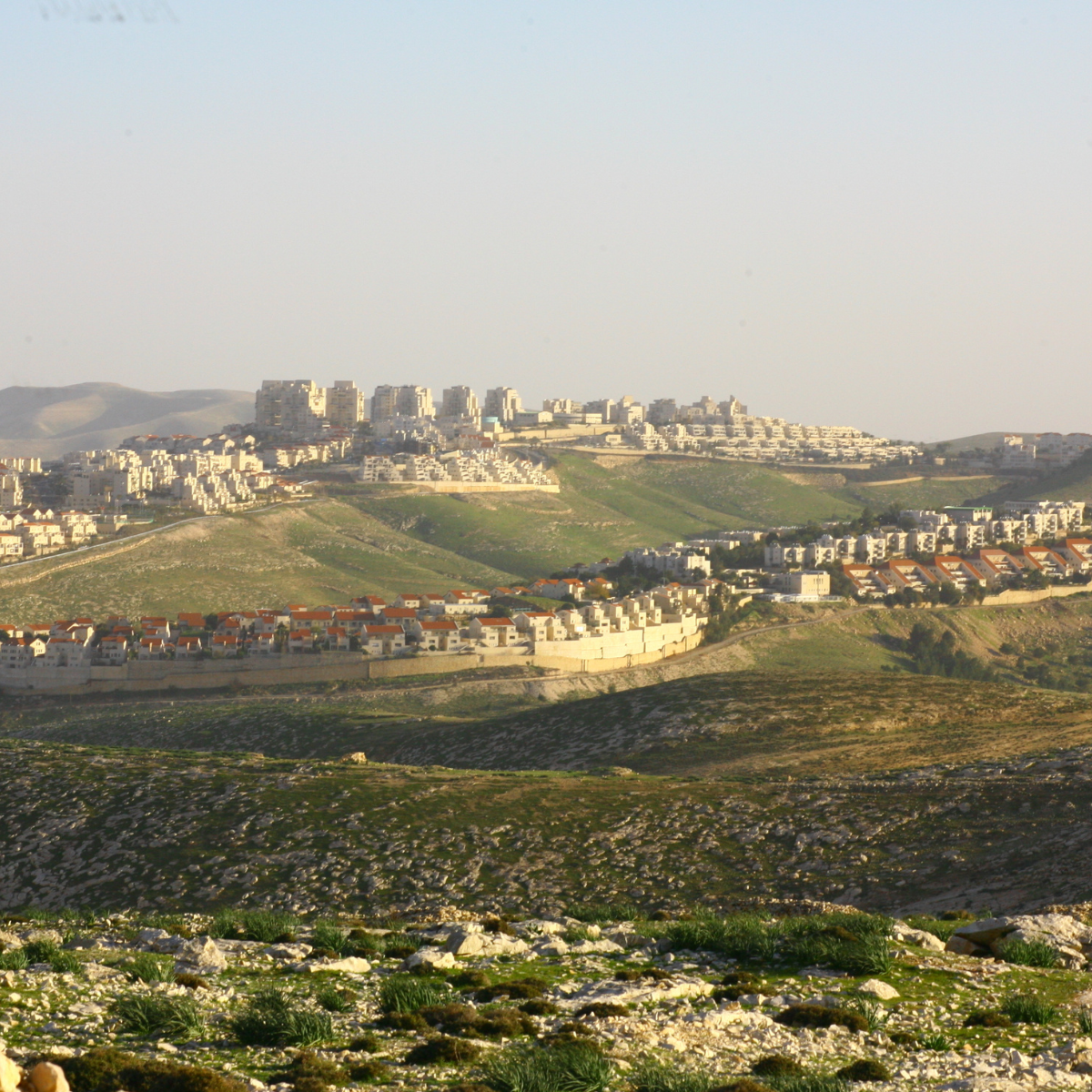
Archaeologists working at Tel Shiloh say they may have discovered the site where the Ark of the Covenant once stood, offering new evidence that could tie the ancient location to biblical accounts.
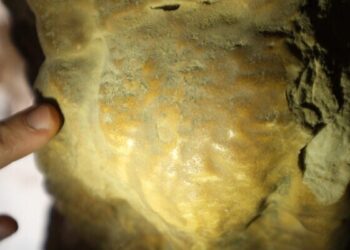
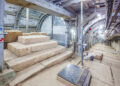
The Ark, described in the Bible as a gold-covered chest containing the Ten Commandments, has long been a subject of mystery and religious significance. Excavations at Shiloh have now revealed a stone dating back to the Iron Age I, bearing dimensions and an east-west orientation consistent with the Mishkan (Tabernacle) as described in the Torah. The site’s layout features a two-to-one ratio that precisely mirrors biblical instructions.
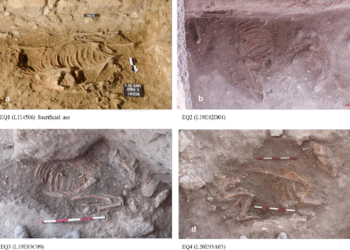
Supporting this theory, researchers uncovered more than 100,000 animal bones—primarily right-side portions of sheep, goats, and cattle. According to Vayikra 7, these specific portions were reserved exclusively for priestly sacrifices. Pottery fragments from the same period further reinforce the link to the Tabernacle, believed to have stood in Shiloh for nearly four centuries.
A massive inner wall discovered at the site also matches the description in Shemot 26 of the curtain that separated the Holy of Holies, the sacred area where the Ark was kept.
Archaeologists say the convergence of evidence—architectural, ritual, and textual—makes the connection to the biblical Ark compelling, though further study is still needed to confirm the site’s full significance.
















Discussion about this post