

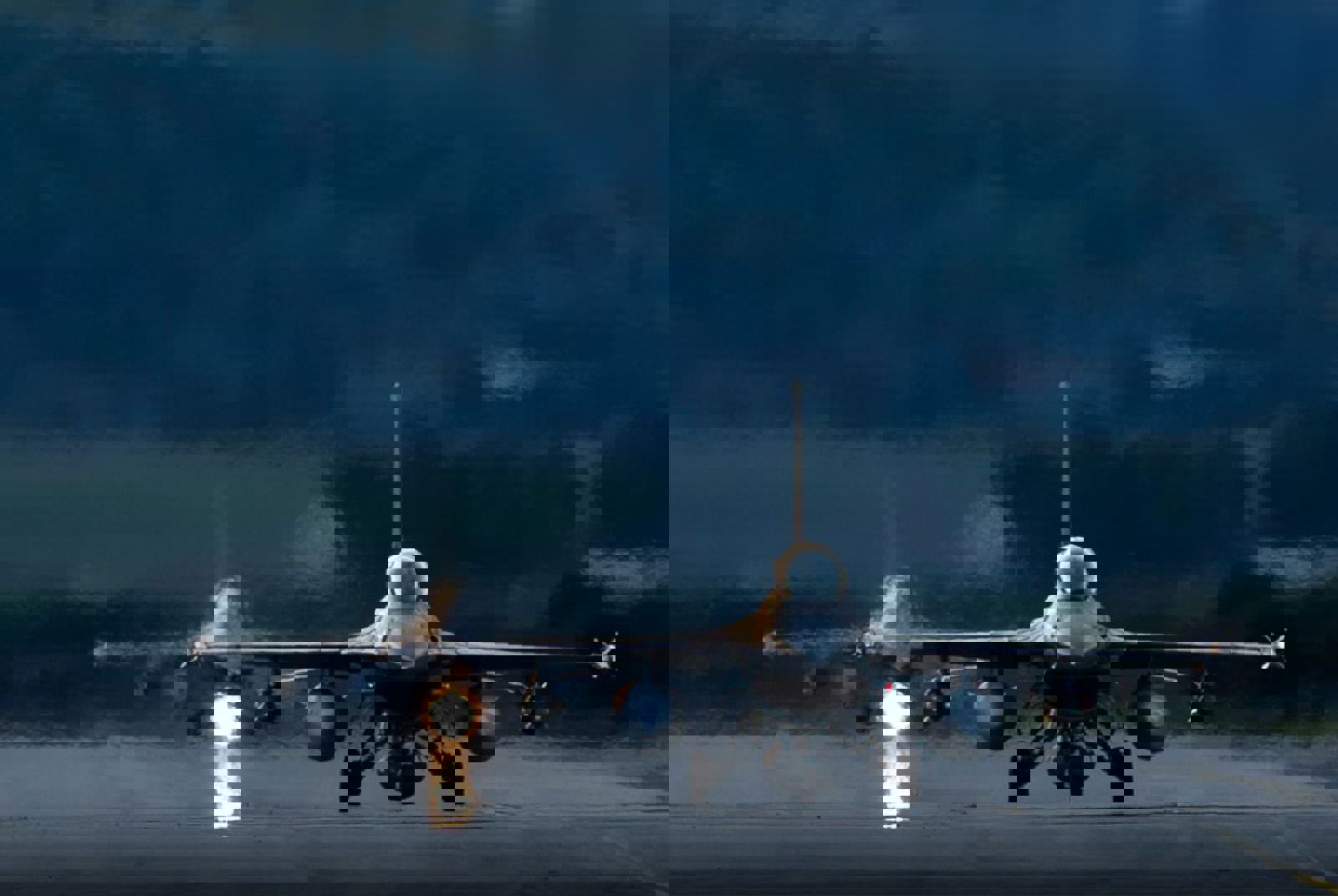
On Tuesday, U.S. President Donald Trump announced that the United States, Israel, and Iran would pause fighting for two weeks, sparking a temporary truce — brokered by Pakistan. As a result, fighting will temporarily be suspended. However, no concessions were made regarding Iran’s ballistic missile ranges of its 440 kg stockpile of enriched uranium.
Earlier on Tuesday, President Trump sparked outrage amongst the Iranian population and around the world after saying “an entire civilization would be gone tonight,” and issued a warning to Iran to “Open the Strait [of Hormuz].”
While Iran agreed to a complete reopening of the Strait of Hormuz, reports state that it is still shut, with only a handful of ships allowed to pass, with tolls per ship up to $2 million.
The ceasefire went into effect on Wednesday, and it is already at risk of collapse due to a major disagreement surrounding the inclusion of Lebanon. While Iran and Pakistan insist that the ceasefire covers the entire region, the U.S. and Israel explicitly state that it does not include Hezbollah.
Following the announcement, Israeli Prime Minister Benjamin Netanyahu launched its heaviest strikes on Lebanon since the war broke out, hitting over 100 targets in just 10 minutes, which killed over 250 people and injured over 1,100. One of the people eliminated was Ali Yusuf Harshi, the personal secretary of Hezbollah Chief Naim Qassem.
Also on Thursday, Netanyahu authorized direct negotiations with Lebanon, and Lebanese President Joseph Aoun stated that the “only solution” is a ceasefire followed by direct negotiations that includes disarming Hezbollah and demilitarizing Beirut.
The Israeli Tax Authority reported that nearly 30,000 property damage claims have been filed since the start of Operation Roaring Lion, and a new poll from Israeli news agencies Walla and Ma’ariv showed that 46% of Israelis believe the U.S. and Israel did not win the war, while only 22% view the ceasefire as a victory.





















Discussion about this post