

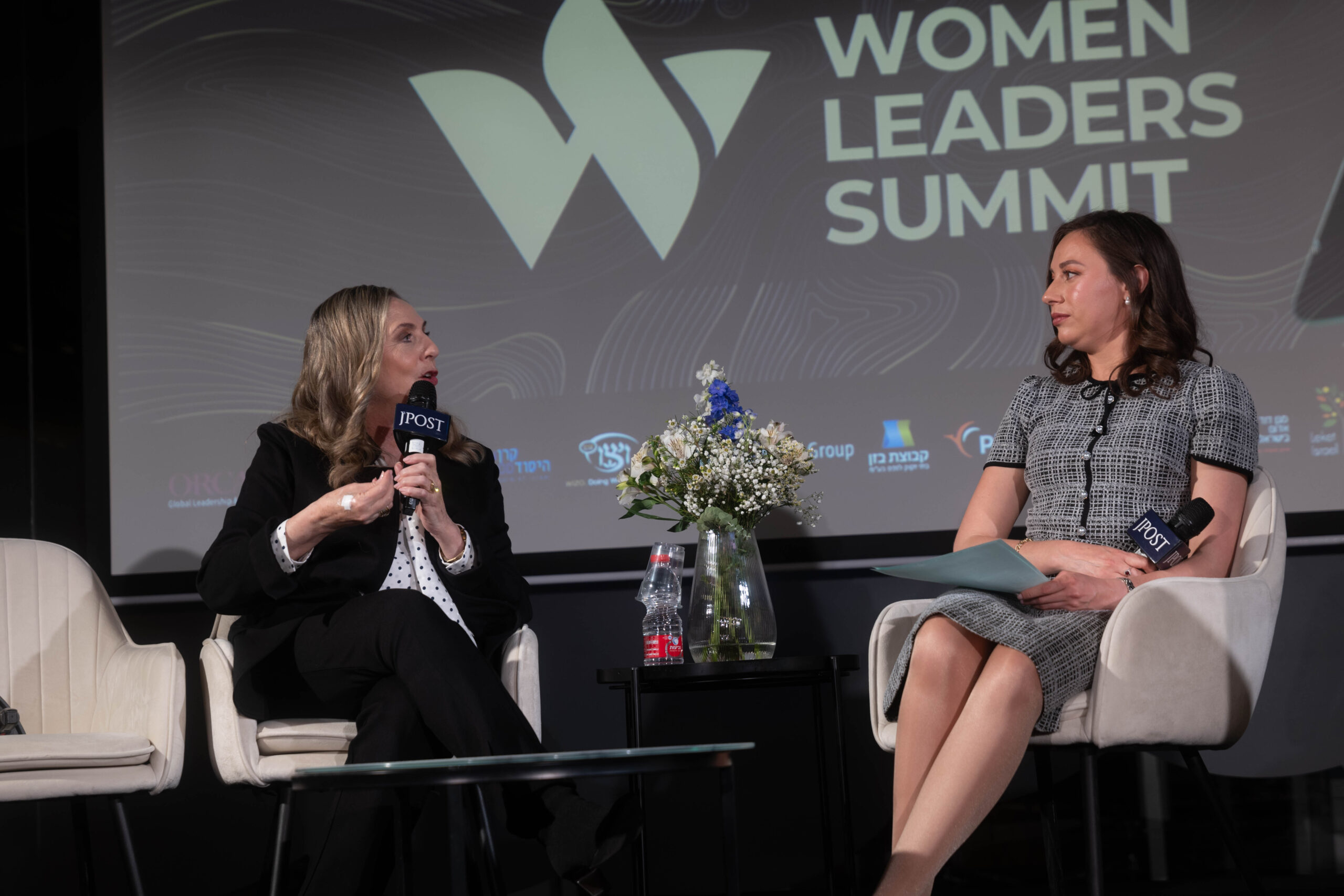
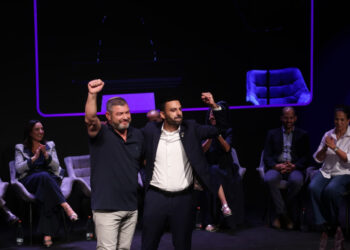
One of the very few events that continued During the recent war with Iran (February 28 to April 7, 2026) despite the uncertainty and interruptions of missile attacks was the Jerusalem Post Women Leaders Summit 2026, held on March 24, offering a rare moment of connection, resilience, and forward-thinking leadership in the middle of wartime.
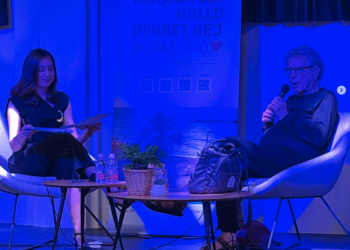
Hosted by Israel Daily News CEO Shanna Fuld, the summit brought together influential women across business, innovation, and public leadership, highlighting both the strength and complexity of leading during crisis. A standout moment came in Fuld’s on-stage interview with Michal Herzog, who arrived just hours after visiting the scene of a missile strike in Tel Aviv. Reflecting on what she witnessed, Herzog said, “It was very moving to see that life goes on… Israelis are very resilient… but they also obey the orders, and that’s what saves lives.”
In a deeply personal conversation, Herzog opened up about shaping the role of First Lady—an inherently undefined position she stepped into after a period when it had been left vacant following the passing of Nechama Rivlin, wife of former President Reuven Rivlin. She shared that she intentionally “made space” for herself, choosing to focus heavily on mental health—an issue that became especially urgent during COVID-19 and has only intensified in the wake of October 7. “If your soul hurts, you should be able to ask for help,” she said, urging Israelis to treat mental health with the same seriousness as physical health.
Herzog also raised concerns about declining female representation in Israel’s national leadership, noting the absence of women at key decision-making tables, including during hostage negotiations. At the same time, she pointed to strong female leadership on the local level and across sectors—from municipalities to the military and healthcare—emphasizing that when women collaborate, they often achieve “the best results possible.”
The conversation also tackled the difficult topic of sexual violence in conflict, with Herzog advocating for greater global awareness and response. She shared the story of the “purple card,” an initiative adopted by Israel’s Health Ministry to improve the treatment of sexual assault victims, and stressed that she speaks not only for Israeli women, but for women everywhere. Her message was clear: when women use their voices, they can drive real change.
In a time marked by sirens, uncertainty, and disruption, the summit stood out as both an act of determination and a reflection of Israeli resilience. A highlight also included a competition for top women scientists who were highlighted for their world-altering innovations.











Discussion about this post