

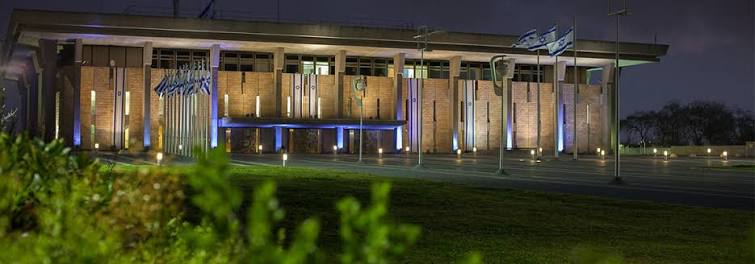
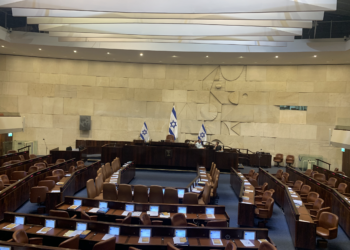
After a three-month recess, the plenum of the Knesset convened on Monday, October 20, 2025 to start its winter session. This marks the fourth session of the 25th Knesset. The real big issue is whether the Knesset will dissolve and elections are held before the summer 2026 session starts.
Currently, the opposition and coalition stand at a 60-60 dead end. This means that Prime Minister Netanyahu has no majority to pass any measure that requires legislation of approval in the Knesset. This has been the reality previously. Before the summer recess, the opposition largely supported or abstained from key votes, particularly those related to security. This makes it unlikely that an urgent parliamentary issue will convince Netanyahu to call an election anytime soon.
The Knesset was in recess since July 27, and amid shifting dynamics from the recent ceasefire, Israeli Prime Minister Benjamin Netanyahu is struggling to keep strength in his coalition, which lost its majority for the first time since he reclaimed power in 2022. The two major ultra Orthodox parties, Shas and United Torah Judaism (UTJ), resigned from the government in mid-July, after fallout from negotiations over the controversial Haredi conscription law, which would require mandatory military service for Haredi Jews.
At the time, Likud MK Yuli Edelstein, who was serving as the head of the Knesset’s Defense and Foreign Affairs Committee, had been developing the bill. He was replaced by fellow Likud MK Boaz Bismuth, who has been advancing the development of the bill, which has been revised following the attacks of October 7. Bismuth announced that on Thursday, October 16, he had submitted a document of the updated outline of the draft bill to the committee’s legal advisor.
According to sources close to Shas head Aryeh Deri, presentations of the law’s guidelines would approve the Shas party to return to the government.
Haredi Jews are currently exempt from military service to study Yeshiva and receive benefits for it. The debate has been ongoing for years and has divided Israelis.
During the recess, the Knesset was still able to convene its committee meetings, in which bills are discussed before they progress to the main hall before being voted on in three readings.
Separately, opposition party leaders gathered in early October to discuss plans for toppling the current government and expressed agreement in offering a political safety net surrounding U.S. President Donald Trump’s ceasefire proposal. The opposition leaders who attended the meeting were part of an opposition bloc known as “the Change Bloc,” which includes opposition leader and Yesh Atid head Yair Lapid, former IDF chief of staff and Lt.-Gen (res.) MK Gadi Eisenkot, former prime minister Naftali Bennett, Blue and White party leader and former IDF Chief of Staff MK Benny Gantz, Yisrael Beiteinu head MK Avigdor Liberman, and head of “the Democrats” Yair Golan.
Adding to the political tension, Netanyahu’s far-right ministers, National Security Minister Itamar Ben-Gvir from Otzma Yehudit and Finance Minister Bezalel Smotrich from the Religious Zionist Party, had previously set clear conditions for leaving the government before the finalization of the hostage-ceasefire deal. Although Ben-Gvir and Smotrich are still part of the government at this time, they continue to urge Israel to resume its military operations in the Gaza Strip.
In early October, Ben-Gvir made a bold declaration: if Hamas isn’t defeated, his party will exit the government. However, he expressed a willingness to remain for the initial phase of any agreement to ensure the safe return of all surviving hostages. This sets the stage for a potentially tumultuous winter session in the Knesset. As Israel’s political scene hangs by a thread, crucial legislation is more than expected to be debated.
The opening session convened on October 20, 2025 with clashes from opposing sides. As Knesset Speaker Amir Ohana began his statements, he introduced the President of the Supreme Court of Israel, Isaac Amit, as a judge, rather than as a president. This use of an incorrect title sparked fierce backlash from opponents. MK’s Gilad Kariv (a member of the Democrats party) and Meirav Cohen (a member of Yesh Atid) were removed from the plenum after repeatedly voicing opposition to Ohana’s misuse. Israeli President Isaac Herzog spoke after the commotion, saying he had chosen to abandon his speech he had prepared, and referred to the President of the Supreme Court of Israel as a president, which drew applause. “I am calling out to heaven, everyone, enough,” Herzog told the plenum. “I will not accept basic disrespect.”
















Discussion about this post