

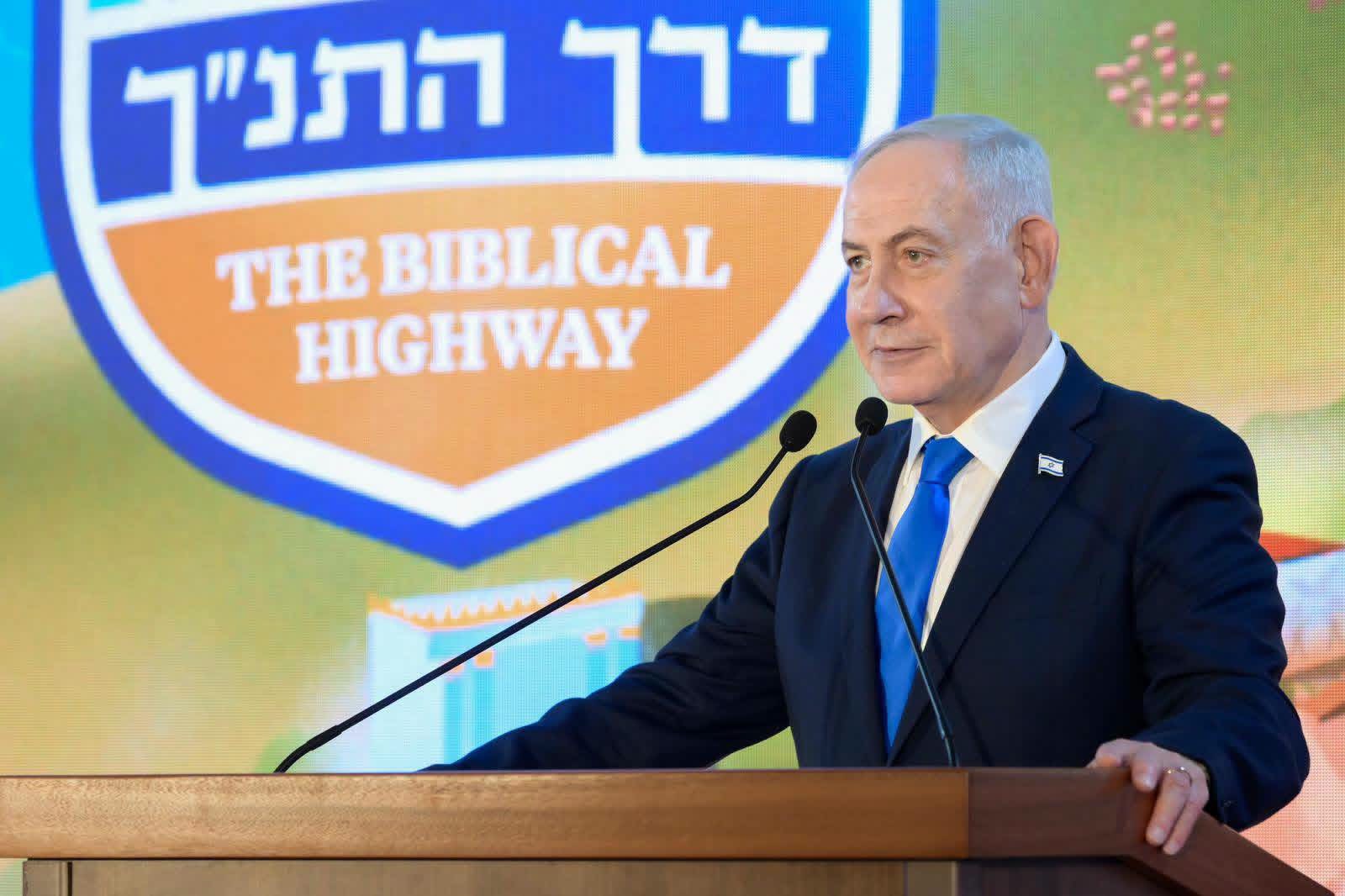
On June 18, 2026 Israel’s Highway 60 was officially unveiled as the “Biblical Highway”, or Derech HaTanach.
While the plan is still in its early stages, preparations are already underway.
Highway 60 runs from Beersheva in the south to Nof HaGalil in the north, and also runs through the West Bank, where Palestinians seek to build a state and where Israeli settlements are considered illegal under international law.
The route is designed for vehicular travel to biblical sites that pass through and near many biblical heritage sites and sites related to Jewish history and modern Zionism. This includes heritage sites, archaeological areas, nature attractions, innovation hubs, and cultural destinations, making the Biblical Highway an intersection for both tourism and public diplomacy. Some of the stops along the route include Jerusalem, Hebron, Bethlehem, Shiloh, Gush Etzion, Mount Gilboa, and the Jezreel Valley. In Jerusalem, the route is expected to connect major heritage sites, including the City of David and the Old City, as well as academic, economic, and innovation centers meant to highlight the connection between Israel’s past and present.
In attendance at the unveiling was Israeli Prime Minister Benjamin Netanyahu and his wife, Sara.
“Between the spirit of the Bible and the heroic spirit of our generation, the Victory Generation, we reaffirm: The people of Israel have returned home, and we will remain here forever, because this is our land,” said Netanyahu during opening remarks. “It is testament to us being an ancient people, reconstituting our national life in our historic homeland. Because the Bible Road is the root of our existence. Today, the pioneers are constructing here, as I saw just now, the chapter of the nation of Israel’s revival in its homeland.”
Yishai Fleisher, the international spokesman for the Jewish community in Hebron and Efrat local council member, called the government plan a “national and strategic move.”
Supporters of the plan have compared it to other well-known heritage roads, including the historic Route 66 in the United States, the Camino de Santiago in Spain, and the Romantic Road in Germany.
The route is also expected to include visitor centers, lookout points, multilingual signage, and accessible educational programming for both Israelis and foreign visitors. The next steps include interministerial planning to map sites, allocate funding, develop infrastructure, and prepare an international campaign promoting “The Bible Road” as a global heritage destination.


















Discussion about this post